

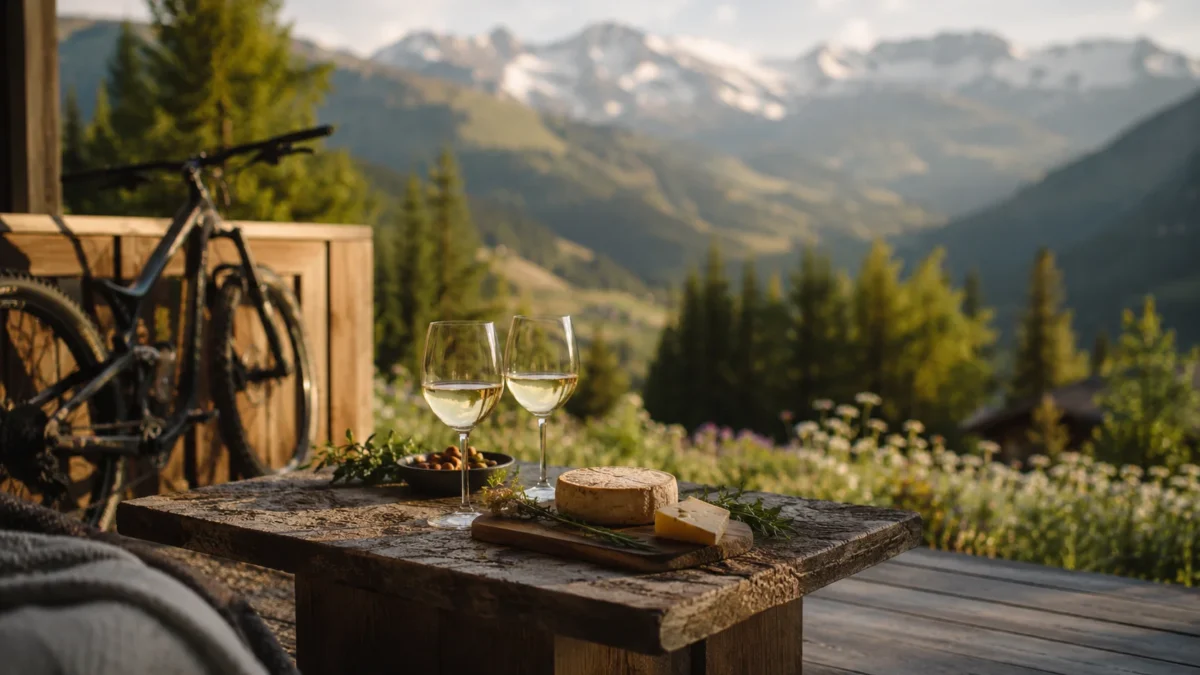
Summer in the mountains is no longer just a simple extension of the winter holidays. The Alpine summer season now stretches from mid-June to mid-September, and some resorts are recording increases in visitor numbers exceeding 100% year-on-year. This is a figure that would have been surprising ten years ago, when the mountains were still thought of almost exclusively in terms of skiing weeks. For an owner or a future buyer of a second home in the mountains, this evolution is a game-changer: a chalet that used to be active for only four months a year can now be occupied, rented, or passed on throughout a good part of the year. This article details summer activities in the Alps, the resorts that benefit the most, and why this dual season matters for a property’s value.
Why does summer change the use value of a chalet?
Summer changes the use value of a chalet by transforming it from a seasonal asset into a living space usable for nearly six months of the year. It is no longer just a ski residence, open for a few weeks in winter and closed the rest of the time. It is a place for remote work, hosting family, and recharging in July just as in February, with the same standard of comfort. This dual seasonality has concrete consequences on the property’s value: a chalet occupied year-round is easier to rent, is passed on under better conditions, and maintains stronger liquidity in the event of a resale. International buyers, who often think in terms of annual performance rather than seasonal peaks, see it as a more solid wealth management argument than a simple winter sports property. To further explore the investment perspective of a mountain project, you can consult our page dedicated to project management support.
- The Alpine summer season now extends from mid-June to mid-September.
- Some resorts are recording occupancy increases exceeding 100% year-on-year in summer.
- Warmer summers in the lowlands are strengthening the demand for the coolness of high altitudes.
Which activities define the high-end Alpine summer?
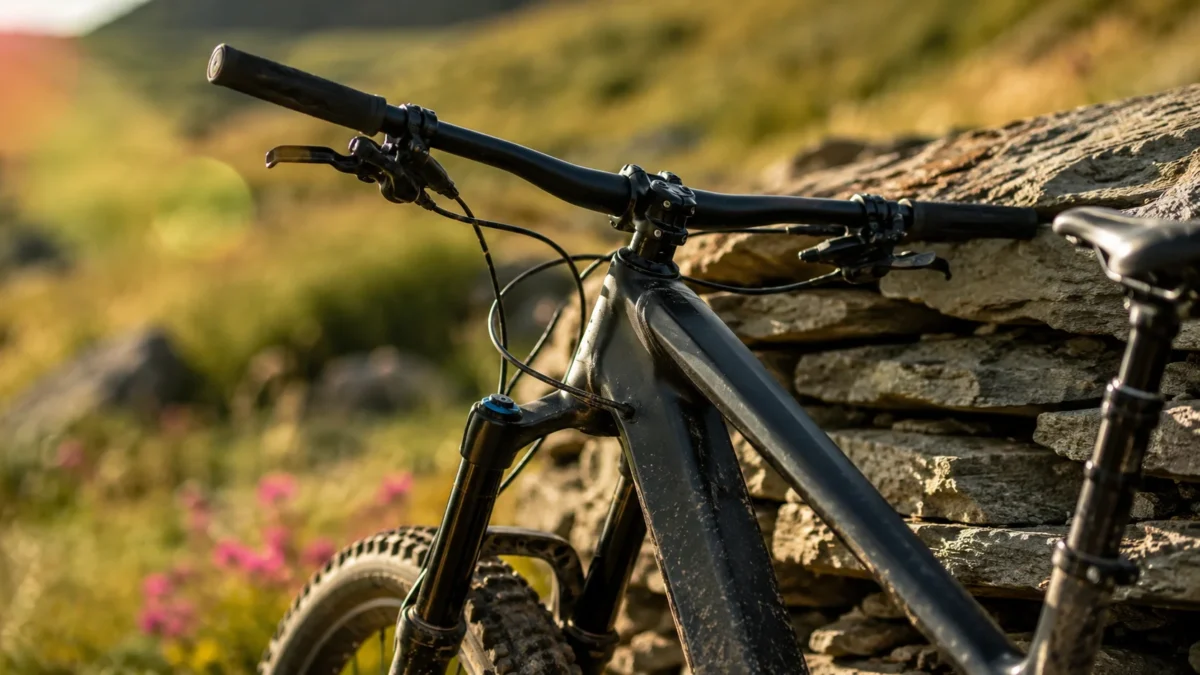
The summer offering in the French Alps has expanded significantly in recent years. Hiking, cycling, golf, lakes, and gastronomy now form a foundation of high-end activities present in most major resorts. Each caters to a different use of the property—sporting, family-oriented, or simply contemplative—justifying a real and regular use of the chalet well beyond the few weeks of skiing. This is also what is driving more and more owners to see their property as a year-round living space, rather than a strictly winter residence.
Hiking and trail running
Hiking remains the natural gateway to the mountains in summer. From family-friendly paths to the most demanding high-altitude routes, such as certain sections of the Tour du Mont-Blanc, the offering covers all levels of practice. Many resort residences provide direct access to marked trails, which considerably simplifies daily planning.
Cycling and mountain biking
Cycling attracts a sporting and international clientele, ranging from legendary mountain passes to purpose-built downhill tracks. Savoyard resorts continuously invest in these infrastructures, with dedicated bike parks for downhill mountain biking and electric bike rental offers for less athletic families.
High-altitude golf
Golf benefits from a rare mountain setting, with courses offering views of the peaks that are difficult to match elsewhere in Europe. Megève is one of the historical benchmarks in this segment, with a course that has attracted a loyal international clientele for several decades.
Lakes and swimming
Mountain lakes, starting with Lake Annecy, extend the image of clear water associated with the Alps in summer. Swimming, paddleboarding, and sailing naturally complete a summer stay, for families and more athletic clients alike.
Gastronomy
Alpine gastronomy relies on Michelin-starred restaurants and local producers for an experience that is no longer limited to sport. A frequent mistake to avoid: booking the best addresses too late once the peak summer season is well underway, as these establishments are often fully booked several weeks in advance.
Why does dual seasonality interest investors?
Dual seasonality interests investors because it extends the period of use and rental of a property while reducing its dependence on a single season. A chalet rented in winter and summer generates a more stable rental income, less exposed to irregular snowfall or a slower tourist season. An international clientele, who often compare a mountain property to other wealth assets rather than a simple leisure property, finds this reassuring. Land remains structurally rare in the Alps: longer usage only adds value to the already most sought-after locations. It is also a criterion increasingly looked at during resale, as a buyer naturally prefers a property capable of generating income year-round over an asset that sits idle for six months.
- More stable rental income, spread over two seasons rather than just one.
- Less dependence on the quality of winter snowfall.
- A reassuring wealth management argument for a discerning international clientele.
Which resorts benefit the most from the summer effect?
Not all Alpine resorts experience this transformation in the same way. Méribel, Megève, and Les 3 Vallées illustrate this dynamic particularly well, each with its own summer identity. The choice of a resort therefore largely depends on the owner’s desired usage profile, ranging from sporting authenticity to a gastronomic lifestyle or a complete family offering.
Méribel
Méribel maintains a balance between Alpine authenticity and sporting activities in summer, with direct access to a vast network of trails and mountain bike tracks. To explore this market, consult our page dedicated to buying in Méribel.
Megève
Megève has established itself as a benchmark for golf and gastronomy, supported by an international clientele loyal in both summer and winter. Find our complete presentation on buying in Megève.
Les 3 Vallées
Les 3 Vallées benefit from a territory vast enough to offer a complete range of activities, suitable for all generations of a family, from the seasoned athlete to the occasional walker.
What mistakes should be avoided when planning a second home for the summer?
The main mistake consists in choosing or fitting out a property solely for winter, without anticipating its summer use, even though the warm season now represents a growing share of mountain visitors. A property designed exclusively for skiing may prove ill-suited for summer: too exposed to the afternoon sun, lacking a real outdoor space, or too far from trails to enjoy them easily. Anticipating this use from the time of purchase, or during a renovation project, avoids costly adjustments later and protects the property’s value over the long term.
- Neglecting exposure and shade in summer, which are decisive for seasonal comfort.
- Underestimating the value of an outdoor space, such as a terrace or garden, which is central in summer.
- Ignoring proximity to trails, cycle paths, or lakes at the time of purchase.
- Booking too late for the season’s best addresses, including restaurants and activity providers.
Key Takeaways
- The Alpine summer season is lengthening and taking a growing place in the value of a mountain property.
- Hiking, cycling, golf, lakes, and gastronomy define the high-end offering of the Alpine summer.
- Méribel, Megève, and Les 3 Vallées illustrate complementary summer identities.
- A chalet designed for the entire year is easier to rent, pass on, and resell than a purely seasonal property.
FAQ
What is the best time to enjoy summer in the mountains?
The best period runs from mid-June to mid-September, with a peak in visitor numbers and offerings between July and August in most Alpine resorts.
Are summer activities accessible to the whole family?
Yes. Hiking, cycling, and swimming offer levels suitable for both children and adults, with more demanding routes reserved for experienced practitioners.
Does a mountain chalet rent well in summer?
A well-located chalet, close to trails or lakes, can generate real rental demand in summer, complementing the winter season.
Should one resort be preferred over another for the summer?
The choice depends on the desired profile: Méribel for authenticity and sport, Megève for golf and gastronomy, Les 3 Vallées for a complete family offering.
Is golf available in all Alpine resorts?
No, not all mountain ranges offer high-altitude courses. Megève is one of the benchmark resorts in this segment.
Final Word
Summer in the mountains is no longer a parenthesis between two ski seasons. It is a lifestyle period in its own right, with its own use value and wealth management potential for a second home in the French Alps. A property designed to be lived in year-round now attracts a wider clientele than just ski enthusiasts.
Belmont Collections supports its clients in this annual perspective of their mountain real estate project, with the same standard of discretion, summer and winter alike.